
A Bit of Harmless Squirrely Research
Isn’t it funny how nature doesn’t usually like picky eaters? Most animals, except for humans, usually go for the easier, nearby meal instead of the more delicious snack that takes a bit of effort to get. It makes perfect sense when survival is on the line; favorite foods often take a backseat to the more accessible, even if less tasty, options.
HUH!
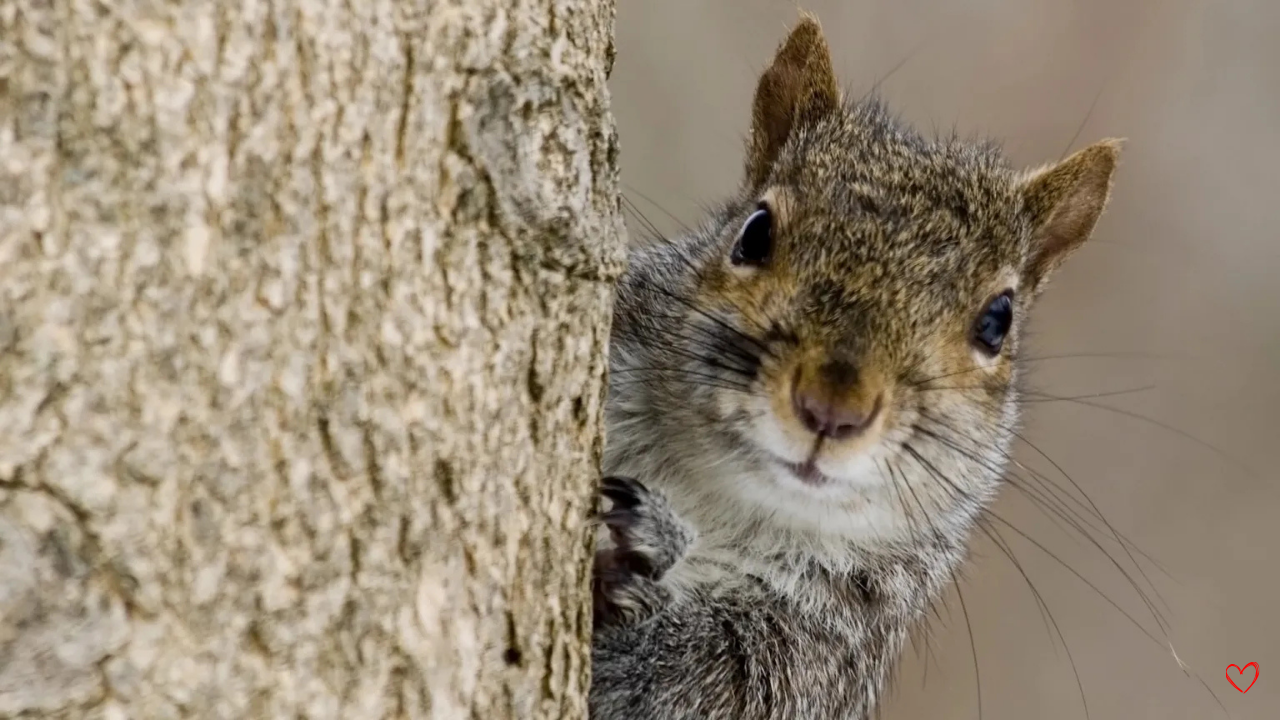
But guess what? Some new research suggests that at least one species, the fabulous squirrel, is willing to put in the extra effort if it means getting a taste of their favorite dish. In a study recently published in the journal Animal Behavior, researchers at the University of Exeter in the United Kingdom, where my squirrel cousins bark with an accent, explained that wild gray squirrels will often ignore the food in front of them and climb to reach a highly favored alternative.
“This suggests that in natural decision-making scenarios, it may sometimes be beneficial for animals to wait or work harder for a better outcome,” explained study co-author and behavioralist Yavanna Bunham.
Burnham, along with her team, gave 11 gray squirrels a straightforward choice. They could either climb a partway up a pole to get some less tasty pumpkin seeds or keep going up to grab their usual treat—almonds. In over 4,000 decision tests, the squirrels that weren’t as high up in the NOSHING ORDER were more likely to stick to the easy option. The exact reason isn’t completely understood, but the researchers think it might be a way to keep their food safe from other squirrels and save some energy.
“This shows there isn’t always an ‘optimal’ decision, and just as with humans, an animal’s social status affects the costs and benefits of particular choices,” said study co-author and behavioralist Lisa Leaver. It’s a clear example of squirrels assessing and adjusting their plans to maximize their rewards, according to Leaver.
“This suggests that in natural decision-making scenarios it may sometimes be beneficial for animals to wait or work harder for a better outcome”, said Burnham. “This is what we would expect to find and it shows the value to doing research on wild animal populations.
CHITTERCHATTERCHTTERCHATTERRRRRRR
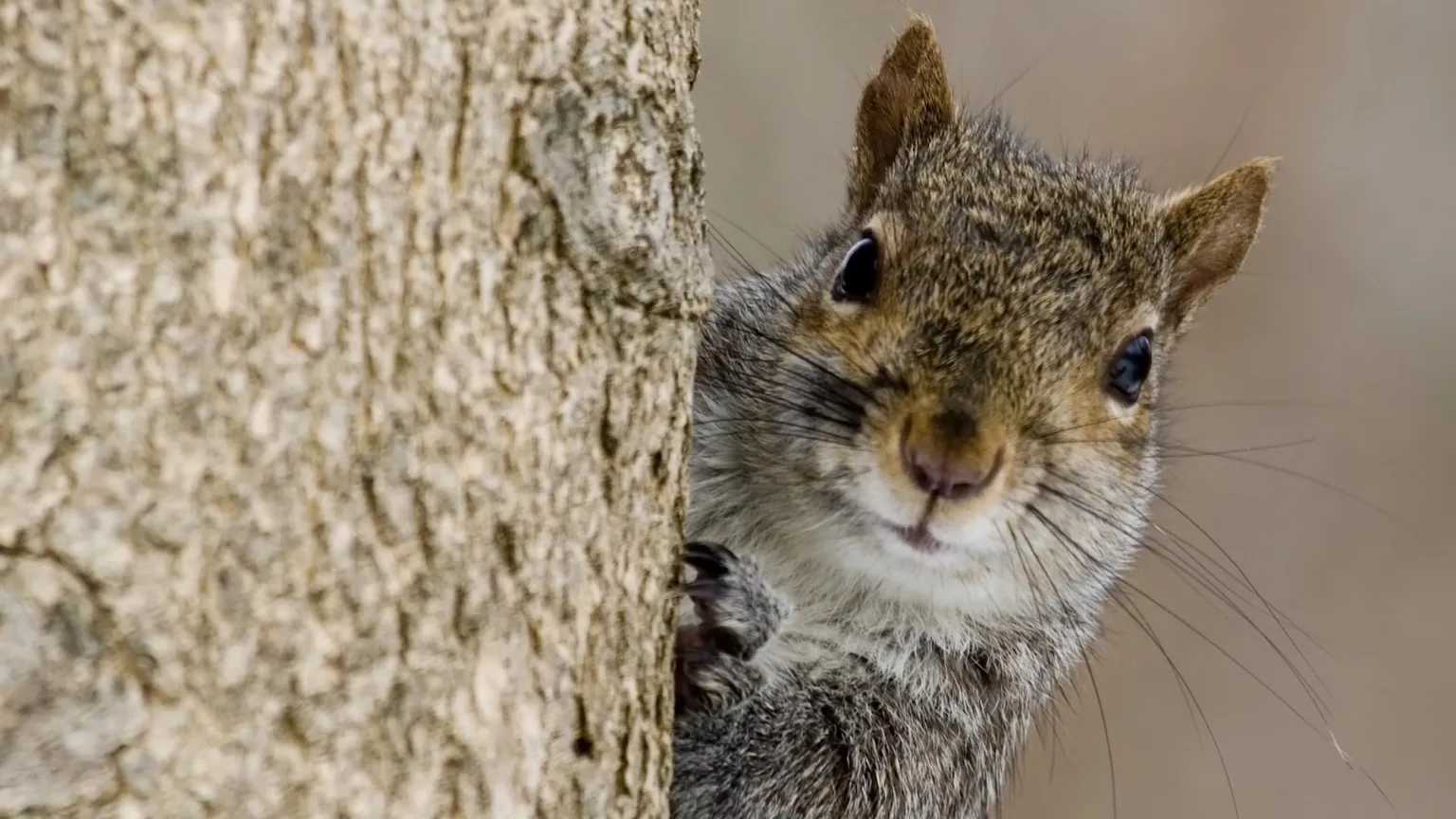
It turns out the researchers didn’t realize that the 11 squirrels were actually participating in a study, but they were just pretending to be part of the research! They were actually observing humans recording all the data, wondering what all the fuss was about.
“We’re just as fond of pumpkin seeds as almonds. Do you have any more studies where you offer us delicious food to eat?”, said Ernie, the lead squirrel.
Even though they had to wait, all 11 squirrels were so happy to join in and can’t wait to come back next time!
We do not condone animal testing of any kind.
